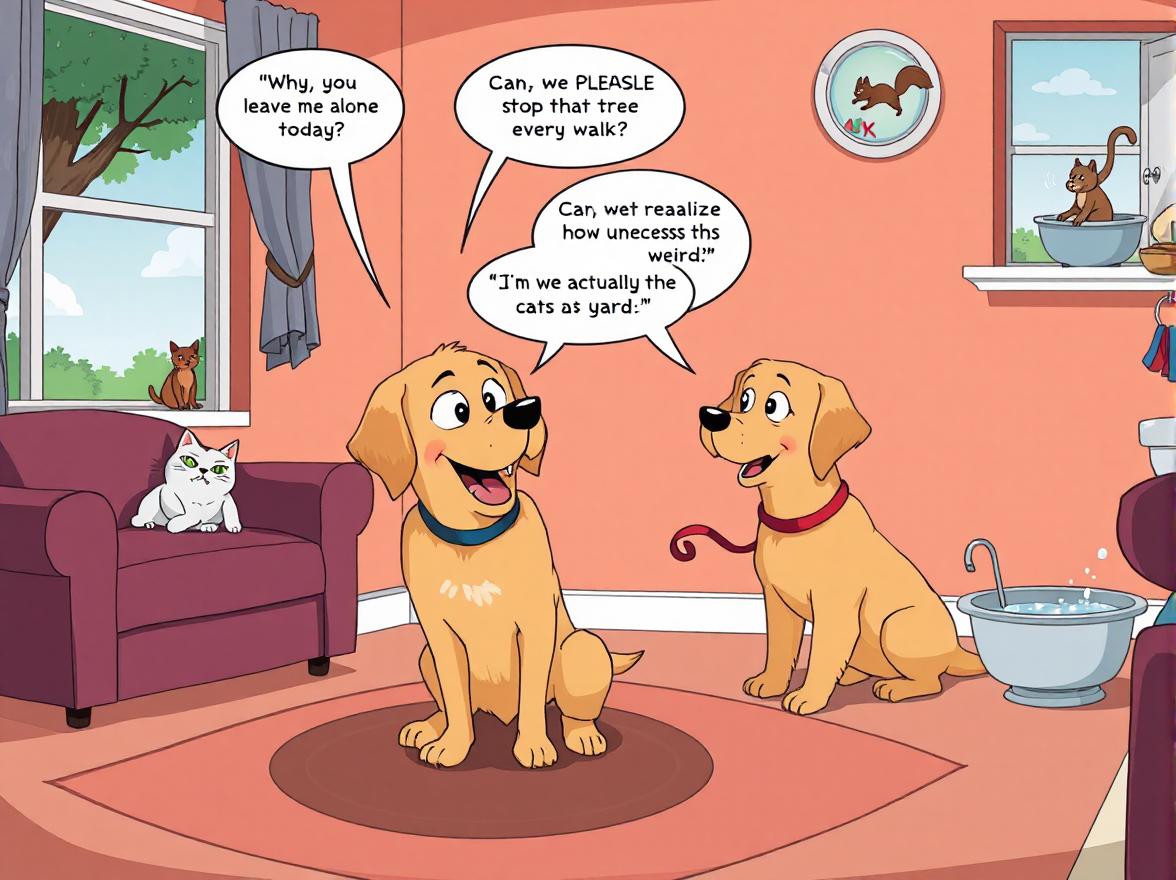
Top 10 Awkward Conversations You May Have With Your Dog If They Could Talk
What Would Your Dog Say?
Imagine a world where dogs could talk. While we cherish their wagging tails, soulful eyes, and playful barks, there’s no denying that communication barriers sometimes leave us guessing about what our furry friends are really thinking. From questioning why you left them alone all day to critiquing your choice of snacks, the top 10 awkward conversations you may have with your dog if your dog could talk would likely be both hilarious and eye-opening.
In this blog post, we’ll delve into these potential dialogues, exploring the unspoken thoughts of our canine companions. Along the way, we’ll provide insights into understanding dog behavior, strengthening your bond, and addressing those moments when you’re left wondering, “What is my dog trying to tell me?” Let’s dive into the amusing—and occasionally uncomfortable—world of human-dog communication.
1. “Why Did You Leave Me Alone Today?”
One of the most common awkward conversations you’d likely have with your dog revolves around separation anxiety. Dogs are pack animals by nature, and being left alone can trigger feelings of abandonment. If your dog could talk, they might express frustration or sadness about your absence.
To ease this discomfort, establish a routine that includes plenty of exercise before leaving and mental stimulation while you’re gone. Puzzle toys, treat-dispensing gadgets, and calming music can help keep your dog entertained. Additionally, gradually increasing the duration of your departures can build their confidence and reduce anxiety over time.
2. “Do You Even Know How to Groom Me Properly?”
Grooming sessions often lead to squirming, whining, or outright rebellion from our four-legged friends. If your dog could talk, they might critique your technique, complaining about tangled fur or overly enthusiastic nail trimming.
To make grooming less stressful, introduce it as a positive experience early on. Use treats and praise to create positive associations, and consider professional grooming for tasks like bathing or deshedding if you’re unsure of your skills. Remember, patience is key—your dog will appreciate the effort even if they don’t show it immediately.
3. “Can We Please Stop at That Tree Every Walk?”
Dogs love marking their territory, and certain trees or fire hydrants hold special significance for them. If your dog could talk, they might insist on stopping at specific spots during walks, much to your chagrin.
While it’s tempting to rush through walks, allowing your dog to sniff and explore satisfies their natural instincts. Incorporate structured sniff breaks into your routine to strike a balance between exercise and mental enrichment. This small concession can make walks more enjoyable for both of you.
4. “Why Do You Feed Me Such Boring Food?”
Mealtime is sacred for dogs, and if they could voice their opinions, they might complain about the monotony of kibble or lack of variety in their diet. Some dogs might even demand gourmet meals featuring steak or salmon!
While indulging every craving isn’t practical—or healthy—you can spice things up by rotating flavors, adding wet food occasionally, or including safe human foods like cooked chicken or carrots. Always consult your vet before making significant dietary changes to ensure your dog’s nutritional needs are met.
5. “Do You Realize I’m Not Actually Guilty?”
The infamous “guilty look” dogs give after chewing a shoe or knocking over a plant is often misinterpreted as remorse. In reality, it’s more about reacting to your tone or body language than admitting wrongdoing. If your dog could talk, they might clarify that they were simply following their instincts.
Instead of scolding, focus on redirecting unwanted behaviors. Provide appropriate chew toys, secure valuables out of reach, and reward good behavior consistently. Positive reinforcement fosters trust and eliminates confusion.
6. “Why Won’t You Let Me Chase That Squirrel?”
For many dogs, chasing squirrels, birds, or other moving objects is irresistible. If your dog could talk, they might plead with you to let them pursue these thrilling adventures, oblivious to the dangers involved.
Redirect this instinct by engaging your dog in games like fetch or agility training, which allow them to burn energy safely. Teaching commands like “leave it” or “stay” helps reinforce boundaries and keeps them safe during outdoor excursions.
7. “Is It Really Necessary to Bathe Me So Often?”
Bath time is rarely a favorite activity for dogs, and if they could talk, they might question whether frequent baths are truly necessary. Overbathing can strip their skin of essential oils, leading to dryness and irritation.
Unless your dog gets particularly dirty or has specific health concerns, bathing once every few months is usually sufficient. Between baths, use grooming wipes or dry shampoo to freshen them up without causing stress. Your dog will thank you for sparing them unnecessary tub time.
8. “Can We Talk About Your Weird Obsession With My Butt?”
Let’s face it—dogs aren’t shy about sniffing each other’s rear ends, but humans tend to find this behavior awkward. If your dog could talk, they might defend their actions by explaining that scent glands contain valuable information about identity, emotions, and health.
While it’s important to respect their social customs, teaching polite greetings (like sitting instead of jumping) ensures interactions remain friendly and non-intrusive. Redirecting excessive sniffing toward toys or treats can also minimize embarrassment during playdates.
9. “Why Don’t You Play With Me More?”
Dogs thrive on companionship and interaction, and if they could talk, they might express disappointment about not receiving enough attention. Whether it’s playing fetch, cuddling on the couch, or going for car rides, dogs crave quality time with their humans.
Set aside dedicated playtime each day to strengthen your bond and prevent boredom-related behaviors like chewing or digging. Interactive toys, training sessions, and outdoor adventures offer opportunities for connection and fun. A little extra effort goes a long way in keeping your pup happy.
10. “Can We Agree That Cats Are Weird?”
If your household includes both cats and dogs, your dog might share their thoughts on feline quirks. From sudden bursts of speed to mysterious hiding spots, cats often perplex their canine counterparts.
Encouraging peaceful coexistence involves gradual introductions, providing separate spaces, and rewarding calm behavior around each other. Over time, your dog might come to appreciate the unique charm of their feline roommate—even if they still think cats are a little strange.
Conclusion: Strengthening the Human-Dog Bond
The top 10 awkward conversations you may have with your dog if your dog could talk highlight the complexities of interspecies communication. While we may never fully understand everything our dogs want to say, paying attention to their body language, vocalizations, and habits allows us to meet their needs effectively.
By addressing these potential grievances proactively, you can deepen your connection with your furry friend and create a harmonious living environment. After all, the joy of sharing life with a dog lies in embracing their quirks and learning from one another along the way.
Frequently Asked Questions (FAQs)
Q: How can I tell if my dog is feeling neglected?
A: Signs of neglect include destructive behavior, excessive barking, or clinginess. Increasing interactive playtime and affection can help alleviate these issues.
Q: Why does my dog sniff everything on walks?
A: Sniffing provides mental stimulation and helps dogs gather information about their surroundings. Allowing sniff breaks enriches their experience and reduces stress.
Q: How do I stop my dog from begging at the table?
A: Consistently ignoring begging behavior and feeding your dog only during designated meal times reinforces boundaries. Providing puzzle toys or chews distracts them during meals.
Q: What should I do if my dog hates baths?
A: Gradually acclimate your dog to water using positive reinforcement. Use lukewarm water, gentle products, and plenty of treats to make bath time less intimidating.
Q: Can dogs feel guilt?
A: No, the “guilty look” is actually a response to your tone or body language. Focus on reinforcing desired behaviors rather than punishing perceived mistakes.
By answering these common questions, we hope to empower you to navigate the challenges and joys of dog ownership with confidence. Remember, even though dogs can’t talk, their actions speak volumes about their needs and desires. Listening closely strengthens the incredible bond you share.