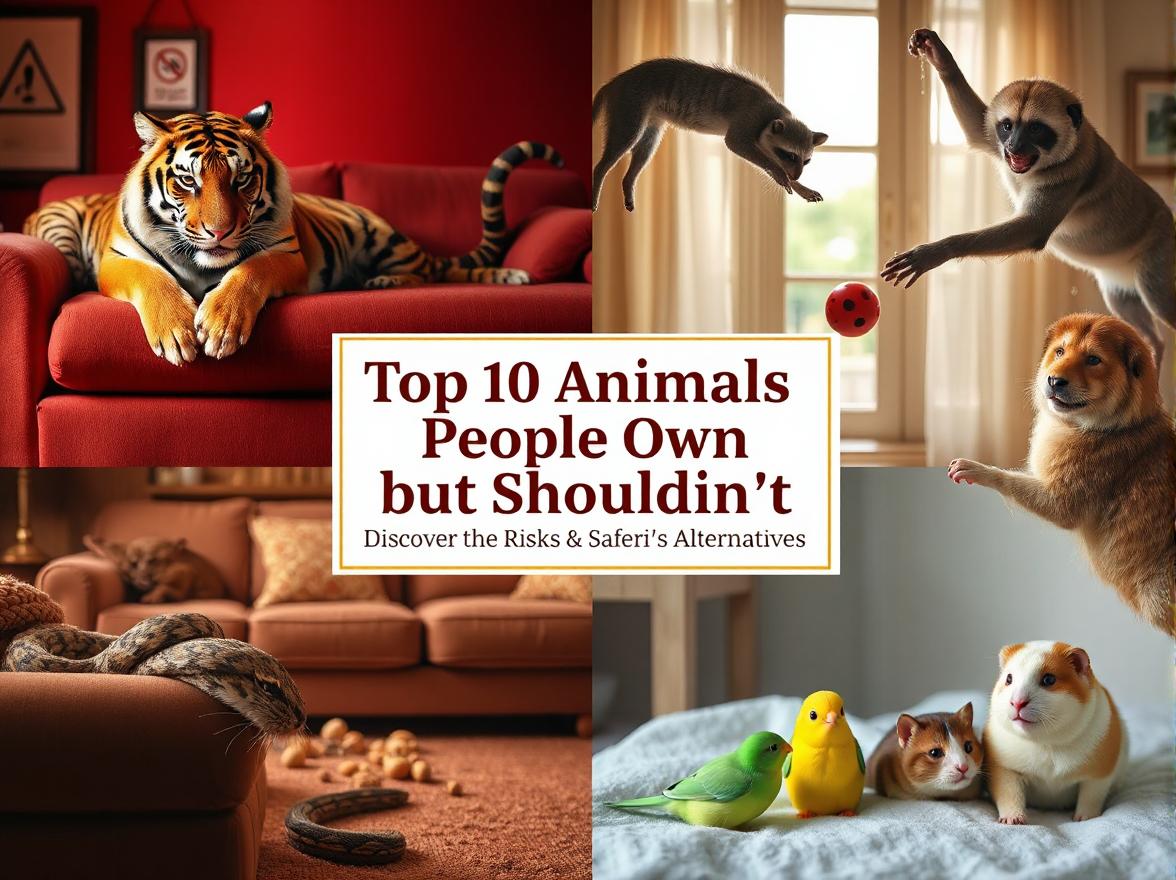
Top 10 Animals People Own but Shouldn’t: Why Some Pets Are Riskier Than You Think
When it comes to choosing a pet, many people are drawn to exotic or unusual animals that seem fascinating at first glance. However, not all creatures make suitable companions for households. In fact, some animals pose significant risks—ranging from health hazards to legal complications—that outweigh their appeal. This article explores the top 10 animals people own but shouldn’t, shedding light on why these pets might be more trouble than they’re worth and offering safer alternatives.
Why Owning Certain Animals Can Be Problematic
Before diving into the list of problematic pets, let’s address why owning certain animals can lead to unintended consequences. Many exotic animals have specific needs that most households simply cannot meet. These include specialized diets, large habitats, or social structures incompatible with domestic life. Additionally, some animals carry diseases transmittable to humans (zoonoses), while others may exhibit aggressive behaviors due to stress or improper handling.
Moreover, laws regulating exotic pet ownership vary widely by region, and keeping illegal animals can result in hefty fines or confiscation. Understanding these factors is crucial when considering whether an animal belongs in your home—or if it truly falls under the category of animals people own but shouldn’t.
The Top 10 Animals People Own but Shouldn’t
1. Big Cats (Lions, Tigers, Leopards)
Big cats are majestic and awe-inspiring, but they are among the top animals people own but shouldn’t. Despite their popularity in viral videos and private collections, big cats require immense resources and expertise to thrive. They need expansive enclosures, enrichment activities, and professional veterinary care—none of which are feasible for the average person.
Furthermore, big cats retain wild instincts even when raised in captivity. A playful swipe from a lion cub can cause serious injury, and adult tigers can weigh over 600 pounds, making them impossible to control. Not only do these animals pose physical dangers, but their ownership is also banned or heavily restricted in many countries due to conservation concerns.
Safer Alternative: If you love felines, consider adopting a domesticated cat breed instead. Maine Coons, Bengals, and Savannah cats offer unique appearances without the inherent risks of big cats.
2. Venomous Snakes (Cobras, Vipers, etc.)
Venomous snakes are another example of animals people own but shouldn’t. While reptile enthusiasts may find them intriguing, venomous species present obvious safety hazards. Even experienced handlers can accidentally get bitten during routine care, leading to potentially fatal outcomes.
Additionally, securing venomous snakes requires specialized enclosures designed to prevent escape—a task easier said than done. Escaped snakes not only endanger household members but also pose risks to local ecosystems if released into the wild.
Safer Alternative: Opt for non-venomous snake species like ball pythons or corn snakes, which are docile, easy to care for, and widely available through reputable breeders.
3. Monkeys
Monkeys are intelligent and adorable, but they rank high on the list of top animals people own but shouldn’t. Unlike dogs or cats, primates are highly social animals that form complex bonds within their groups. When kept as solitary pets, they often develop behavioral issues such as aggression, self-harm, or destructive tendencies.
Monkeys also carry zoonotic diseases like herpes B virus, which can be transmitted to humans through bites or scratches. Their unpredictable nature makes them unsuitable for families with children or inexperienced owners.
Safer Alternative: Consider adopting a small mammal like a guinea pig or rabbit, which offers companionship without the complexity of primate care.
4. Alligators and Crocodiles
Alligators and crocodiles are iconic predators, but they are far from ideal pets. These reptiles grow rapidly, reaching lengths of up to 15 feet and requiring massive aquatic habitats. Most homes lack the space or infrastructure needed to accommodate them safely.
Beyond size constraints, alligators and crocodiles are opportunistic hunters with powerful jaws capable of inflicting severe injuries. Stories abound of owners losing fingers—or worse—when interacting with these animals.
Safer Alternative: For reptile lovers, geckos or bearded dragons provide engaging yet manageable options.
5. Raccoons
Raccoons may look cute and mischievous, but they belong firmly on the list of animals people own but shouldn’t. Wild raccoons are notorious for their intelligence and curiosity, traits that translate into chaos in a home setting. They chew through walls, raid pantries, and create general havoc wherever they go.
Additionally, raccoons carry rabies and other diseases, posing health risks to humans and pets alike. Taming a raccoon is nearly impossible; their natural instincts drive them to explore and scavenge, regardless of training efforts.
Safer Alternative: Ferrets share some of the same playful energy as raccoons but are much better suited to domestic life.
6. Skunks
While de-scented skunks might sound appealing, they still fall under the umbrella of top animals people own but shouldn’t. Skunks are nocturnal creatures that sleep during the day and become active at night, disrupting household routines. Their dietary needs are also challenging to meet, as they require fresh fruits, vegetables, and protein-rich foods.
Moreover, skunks are prone to obesity and dental problems if improperly cared for, and finding veterinarians experienced in treating them can be difficult.
Safer Alternative: Hedgehogs combine quirkiness and charm without the nocturnal habits or demanding diet of skunks.
7. Hyenas
Hyenas are fascinating scavengers, but they are ill-suited for domestic environments. Known for their loud laughter-like calls and strong jaws, hyenas demand extensive care and supervision. Like big cats, they retain wild instincts that can lead to unpredictable behavior around humans.
Hyenas also produce strong odors and require spacious enclosures equipped with temperature controls. Given their rarity and specialized needs, few people possess the knowledge or resources necessary to care for them responsibly.
Safer Alternative: Dogs bred for guarding or hunting, such as German Shepherds or Huskies, offer loyalty and protection without the challenges of hyena ownership.
8. Bears
Bears embody strength and majesty, but they are unequivocally among the animals people own but shouldn’t. Cubs may appear cuddly, but they quickly outgrow their juvenile phase, becoming massive and potentially dangerous adults. Bears require acres of roaming space, diverse diets, and constant mental stimulation to prevent boredom and frustration.
Even in controlled settings, bears remain unpredictable and capable of causing catastrophic harm. Laws prohibiting bear ownership exist for good reason—to protect both humans and wildlife.
Safer Alternative: Teddy bear dogs, such as Shih Tzus or Pomeranians, deliver bear-like cuteness in a tiny, manageable package.
9. Wolves
Wolves are often romanticized as symbols of freedom and resilience, but they are not meant to live alongside humans. Unlike domesticated dogs, wolves retain strong pack instincts and territorial behaviors that clash with household dynamics.
They require raw meat diets, vast outdoor spaces, and minimal human interaction, making them incompatible with urban or suburban lifestyles. Attempting to tame a wolf typically results in disappointment—and sometimes tragedy—for both parties involved.
Safer Alternative: Wolf-dog hybrids blend wolf-like traits with dog-friendly temperaments, though they still require experienced handlers.
10. Large Exotic Birds (Macaws, Cockatoos)
Large exotic birds like macaws and cockatoos are stunning additions to any aviary, but they come with significant responsibilities. These birds live for decades, forming deep bonds with their owners, and require daily attention and enrichment to prevent boredom-induced screaming or feather plucking.
Their sharp beaks can cause painful injuries, and their loud vocalizations may disturb neighbors. Furthermore, improper care can exacerbate behavioral issues, turning what seemed like a dream pet into a lifelong challenge.
Safer Alternative: Budgerigars (parakeets) or canaries provide colorful companionship without the intensity of larger bird species.
Addressing Common Questions About Problematic Pets
To further clarify why certain animals should be avoided, here are answers to frequently asked questions:
Q: Why are exotic pets so popular despite their risks?
A: Exotic pets appeal to individuals seeking unique or status-symbol companions. Social media platforms amplify this trend by showcasing seemingly “cool” interactions with wild animals.
Q: What happens to confiscated exotic pets?
A: Confiscated animals are often relocated to sanctuaries, zoos, or rehabilitation centers. Unfortunately, not all facilities have the capacity to accept them, leading to euthanasia in extreme cases.
Q: How can I tell if an animal is legal to own in my area?
A: Research local and national regulations regarding exotic pet ownership. Consult wildlife authorities or animal welfare organizations for guidance.
Practical Tips for Choosing the Right Pet
If you’re inspired to adopt a pet after learning about the top 10 animals people own but shouldn’t, follow these tips to ensure a responsible decision:
- Assess Your Lifestyle: Choose a pet whose needs align with your schedule, living space, and financial capabilities.
- Research Thoroughly: Understand the animal’s lifespan, temperament, and care requirements before committing.
- Adopt from Reputable Sources: Avoid purchasing exotic animals online or from unverified sellers. Instead, visit shelters or ethical breeders.
- Prioritize Domesticated Species: Stick to animals bred for companionship, such as dogs, cats, fish, or rodents.
Final Thoughts
While the allure of exotic pets is undeniable, the reality is that many top 10 animals people own but shouldn’t come with insurmountable challenges. From safety concerns to ethical considerations, the risks associated with these creatures far outweigh the rewards. By opting for safer, more compatible alternatives, you can enjoy the joys of pet ownership without compromising your well-being—or theirs.