Best Tiles 2026: Top Picks for Your Dream Home Renovation
Are you looking to give your home a fresh, new look? Choosing the right tiles can totally change a room, adding style and personality. But with so many options out there, how do you pick the best tiles for your space? From the kitchen to the bathroom, and even outdoors, the world of tiles offers a huge range of choices. We're here to help you navigate this exciting journey, focusing on what's trending and what works best for homes in Bangladesh.
Understanding Tile Trends for a Modern Bangladeshi Home
When you're thinking about new tiles, it's helpful to know what's popular and why. The latest trends often focus on making your home feel cozy, stylish, and easy to live in. For 2026, we're seeing a big shift towards designs that bring a sense of nature indoors, along with a touch of timeless elegance.
The Rise of Earthy Tones and Organic Textures
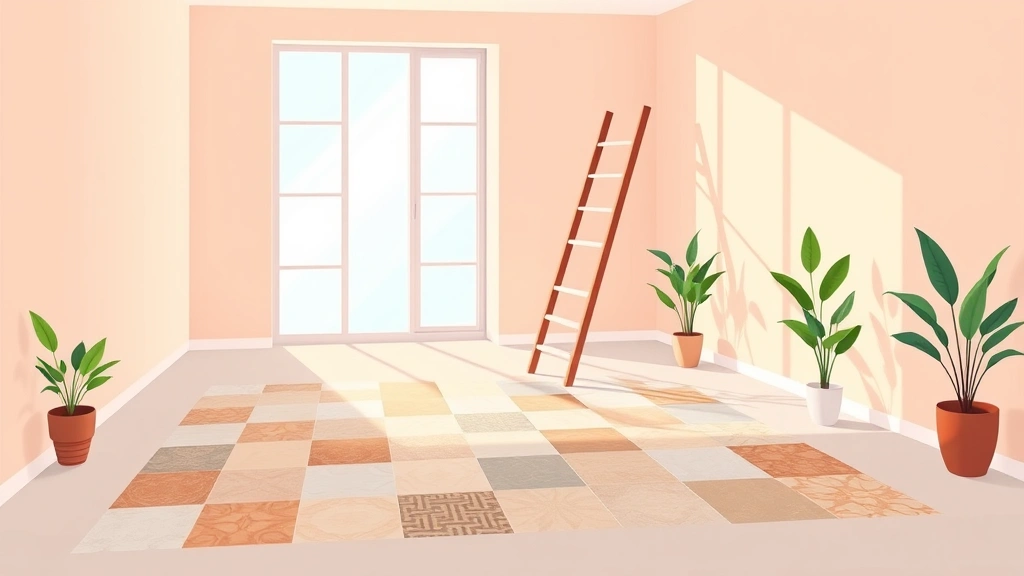
Imagine walking into a room that feels calm and connected to nature. That's the vibe earthy tones and organic textures are bringing. Think about colors like sandstone beige, soft clay, muted greens, and mushroom shades. These colors aren't just pretty; they create a warm, inviting atmosphere. You'll find tiles with layered finishes, giving them a real depth you can almost feel. For example, the Vetta Elements Collection, named Tile of the Year, showcases beautiful mixable porcelain tiles in these warm neutral colors. What’s great about these is that you can use them both inside and outside your home, making your spaces flow seamlessly, as highlighted by CultureMap Houston.
A Nod to Retro Styles and Artisanal Craftsmanship
Who doesn’t love a bit of nostalgia? Retro styles, especially those inspired by the 70s, are making a comeback. Picture rich, deep colors like amber and burgundy, paired with cool geometric patterns and curved shapes. These designs can add a playful yet sophisticated touch to your home.
Alongside retro, there's a growing love for anything that looks handmade and unique. Tiles with subtle imperfections, like the Moroccan Zellige tiles, offer that artisanal charm. These aren't perfectly smooth; their slight variations give them character, making each tile feel special. You might also see textured 3D tiles or creamy stone looks that add a tactile element, making your walls and floors more interesting to touch and see. Plumbtile notes how these artisanal surfaces are gaining popularity.
Modern Organic Shapes and Large Format Slabs

Gone are the days when tiles were just square. Now, you can find exciting shapes like hexagons and honeycombs. These can create eye-catching patterns on your floors or walls. Another big trend is the use of large-format slabs. These huge tiles mean fewer grout lines, giving your space a clean, expansive, and luxurious feel. Imagine porcelain tiles that look exactly like marble, wood, or natural stone – but with all the durability and easy maintenance of porcelain. This is a fantastic option for a high-end look without the high-end hassle, as My Stone Floor explains.
Choosing the Right Material: What Works Best Where?
With so many materials available, it can feel like a puzzle. Each type of tile has its own strengths, making it suitable for different areas of your home.
Porcelain: The All-Rounder Champion
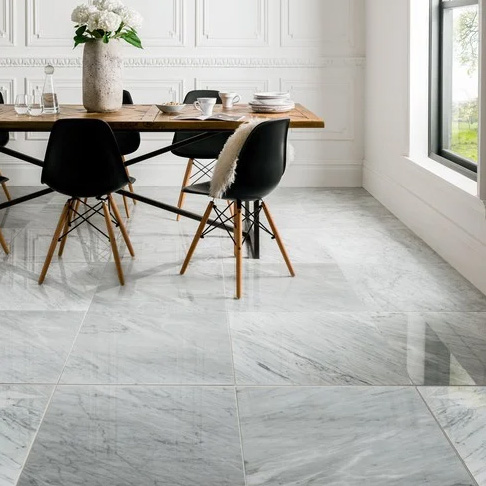
If there's one material that truly stands out, it's porcelain. It's incredibly versatile and durable, making it a top choice for almost any part of your home. Porcelain tiles have very low porosity, meaning they don't absorb much water, and they're super dense. This makes them resistant to stains, scratches, and wear and tear – perfect for busy Bangladeshi households! You can find porcelain in stunning ivory tumbled finishes, grey stone effects, and even wood-look parquet patterns. Many porcelain tiles are designed to mimic luxurious materials like marble, offering that elegant look with added durability. For instance, Stone Tile Depot points out that the density of porcelain makes it easy to clean, even when it looks like marble.
| Material Type | Best Uses | Key Benefits | Considerations |
|---|---|---|---|
| Porcelain | Floors, walls, kitchens, bathrooms, outdoor areas | Highly durable, low maintenance, water-resistant, wide range of designs | Can be heavier and pricier than ceramic |
| Ceramic | Walls, light-traffic floors, backsplashes | Affordable, wide variety of colors and patterns, easy to cut | Less durable than porcelain, more prone to chipping |
| Natural Stone | Floors, walls, countertops, accent features | Unique aesthetic, adds value, durable | Requires sealing, porous, can be expensive |
| Zellige Tiles | Backsplashes, accent walls, wet bars | Hand-crafted look, unique sheen, adds character | More delicate, can be harder to clean, higher cost |
Ceramic: The Go-To for Backsplashes and Walls
Ceramic tiles are a fantastic and often more budget-friendly option, especially for walls and backsplashes. They come in an endless array of colors, patterns, and sizes. The famous Zellige ceramic tiles, with their beautiful handmade imperfections, are a top pick for backsplashes, adding a unique, organic warmth to kitchens and wet bars. However, keep in mind that these might be a bit trickier to clean if they're right behind a cooktop. Traditional subway tiles are also getting a fresh look, moving beyond plain white to incorporate new colors and textures. According to FP Tile & Marble, ceramic remains a leading material for backsplashes.
Natural Stone: Luxury and Timeless Beauty
For a touch of luxury and timeless appeal, natural stone tiles are an excellent choice. Large slabs of marble or other natural stones are becoming a favorite for backsplashes, creating a sleek, modern, and sophisticated look. You'll also see travertine and dolomite used for their beautiful textures. While natural stone adds incredible value and a unique aesthetic, it does require a bit more care, like sealing, because it's more porous. Trendy Surfaces Inc. highlights how marble, with its modern twists, continues to be a symbol of luxury.
Applications and Practical Advice for Your Home
Now that you know about materials and trends, let's talk about where to put these beautiful tiles in your Bangladeshi home.
Kitchens and Backsplashes: The Heart of Your Home
The kitchen is often the busiest room, so your tiles need to be both beautiful and practical. For backsplashes, large stone or quartz slabs are a top choice for a luxurious, seamless look. If you prefer something with more character, Zellige or textured 3D tiles can add a unique, artisanal touch. Interestingly, some modern designs are even opting for a no-backsplash minimalist look for a super clean aesthetic, as noted by America's Floor Source.

Bathrooms and Floors: Combining Style with Function
In bathrooms, you need tiles that can handle moisture and still look great. Wood-effect porcelain parquet tiles are fantastic for creating a warm, cozy feel on the floor without the worry of real wood warping in humid conditions. For walls, glossy tiles can reflect light, making smaller bathrooms feel more spacious. Hexagon tiles can create a fun focal point, especially in shower areas. Large-format tiles are also excellent for bathroom floors, as they minimize grout lines, making cleaning much easier.

Outdoor Spaces: Durability Meets Design
Don't forget your outdoor areas! Whether it's a balcony, a patio, or a rooftop garden, tiles can transform these spaces. Metallic stone-look porcelain tiles are a durable and stylish choice for outdoors, as they can withstand the elements while looking chic. These tiles are designed to be slip-resistant and weather-proof, making them perfect for Bangladesh's varying climate.
Choosing the Best Tiles: A Decision Guide
Making a final decision can still feel overwhelming, but here's a simple guide to help you choose:
- For Luxury and High-End Appeal: Consider large natural stone slabs for a truly opulent look.
- For Charm and Unique Character: Zellige ceramic tiles are perfect for adding an artisanal touch.
- For Affordability and Versatility: Subway tiles, especially ceramic ones, offer a great balance of cost and style.
- For Sustainability and Eco-Friendliness: Look for tiles made from recycled materials or those with certifications for sustainable production.
Remember, the "best" tile is ultimately what works best for your home, your lifestyle, and your personal taste. Don't be afraid to mix and match textures and patterns to create a space that truly reflects you.
Frequently Asked Questions About Choosing Tiles


Q1: What are the most durable types of tiles for a home in Bangladesh?
A1: For durability, especially in a climate like Bangladesh, porcelain tiles are generally considered the best. They are highly dense, water-resistant, and can withstand heavy foot traffic, making them ideal for floors in living rooms, kitchens, and even outdoor areas. Natural stone tiles like granite are also very durable, but they often require more maintenance.
Q2: How do I choose tiles that make a small room look bigger?
A2: To make a small room appear larger, consider using large-format tiles. Fewer grout lines create a more seamless and expansive look. Light-colored tiles, especially those with a glossy finish, can also reflect light, making the room feel brighter and more spacious. Using the same tile on the floor and a feature wall can also create an illusion of continuity.
Q3: Are glossy or matte tiles better for bathrooms?
A3: Both glossy and matte tiles have their advantages in bathrooms. Glossy tiles reflect light, making a bathroom feel brighter and more open, and they are generally easier to clean. However, they can be slippery when wet. Matte tiles offer better slip resistance, which is a major safety advantage in bathrooms. They also provide a more subdued and contemporary look, but they might require a bit more effort to clean certain stains.
Q4: What is the difference between ceramic and porcelain tiles?
A4: The main difference lies in their water absorption rate and density. Porcelain tiles are fired at higher temperatures and are denser, resulting in a lower water absorption rate (less than 0.5%). This makes them more durable, stain-resistant, and suitable for outdoor use. Ceramic tiles are less dense and have a higher water absorption rate, making them more suitable for indoor walls and light-traffic floors. Porcelain generally costs more than ceramic.
Q5: How do I maintain and clean my tiles to keep them looking new?
A5: Regular cleaning is key. For most ceramic and porcelain tiles, a simple sweep or vacuum followed by mopping with a mild, pH-neutral cleaner and warm water is sufficient. Avoid harsh chemicals or abrasive scrubbers, especially on glossy tiles, as they can damage the finish. For natural stone tiles, use cleaners specifically designed for stone and ensure they are sealed periodically to protect against stains and moisture.
Choosing the best tiles for your home is an exciting part of creating your dream space. By considering the latest trends, understanding the benefits of different materials, and thinking about where each type of tile will be used, you can make choices that are both beautiful and practical. We hope this guide helps you find the perfect tiles to transform your home into a stylish and comfortable haven. Happy tiling!